


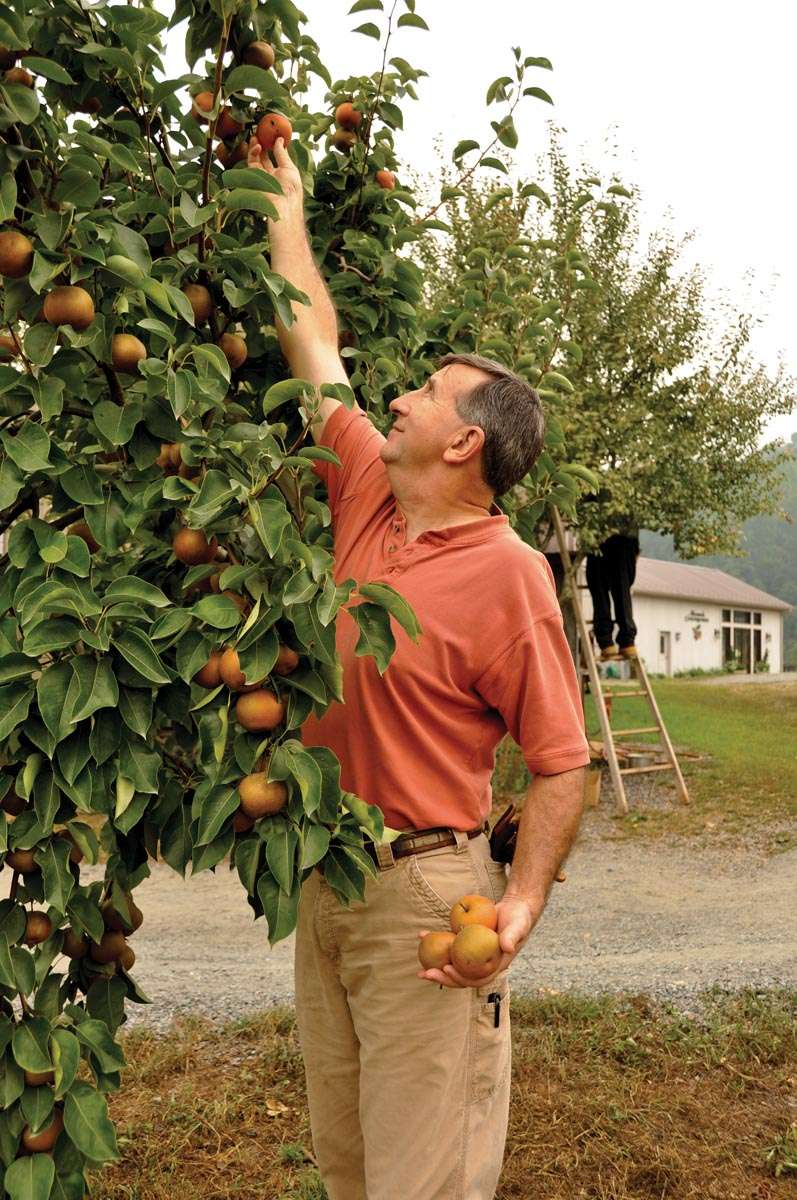
“Why Crozet” is a long-running feature that focuses on the reasons people love living in Crozet and western Albemarle County. Our long history and present status as a fruit-growing region keeps all of us aware of the rhythm of the seasons, and nearby family orchards have been a substantial part of the area’s agricultural economy. This month, we focus on a family enterprise designed to protect and preserve the many kinds of apples that were once threatened with obscurity, and a unique event that celebrates this heritage.
Long before hard cider returned to popularity as an adult beverage in Virginia, the folks at Albemarle CiderWorks had planted an orchard filled with apples of every kind: sweet, tart, large and small, to be eaten out of hand or pressed for juice, often both. The family was among the early pioneers of Virginia’s modern cider revival.
Charlotte Shelton, one of the owners, said it was a hobby that “kind of got out of hand.” Her family, originally Amherst County farmers, bought a farm in North Garden in 1986, and over the next couple of decades established an orchard filled with heritage apples.
Still, Shelton said, they were late to the game, mere newcomers in the history of one of the world’s most popular (after bananas and watermelon) fruits. She pointed out that the Henley and Chiles families’ orchards were well established before the CiderWorks and that cider had been a staple in Virginia since colonial times.
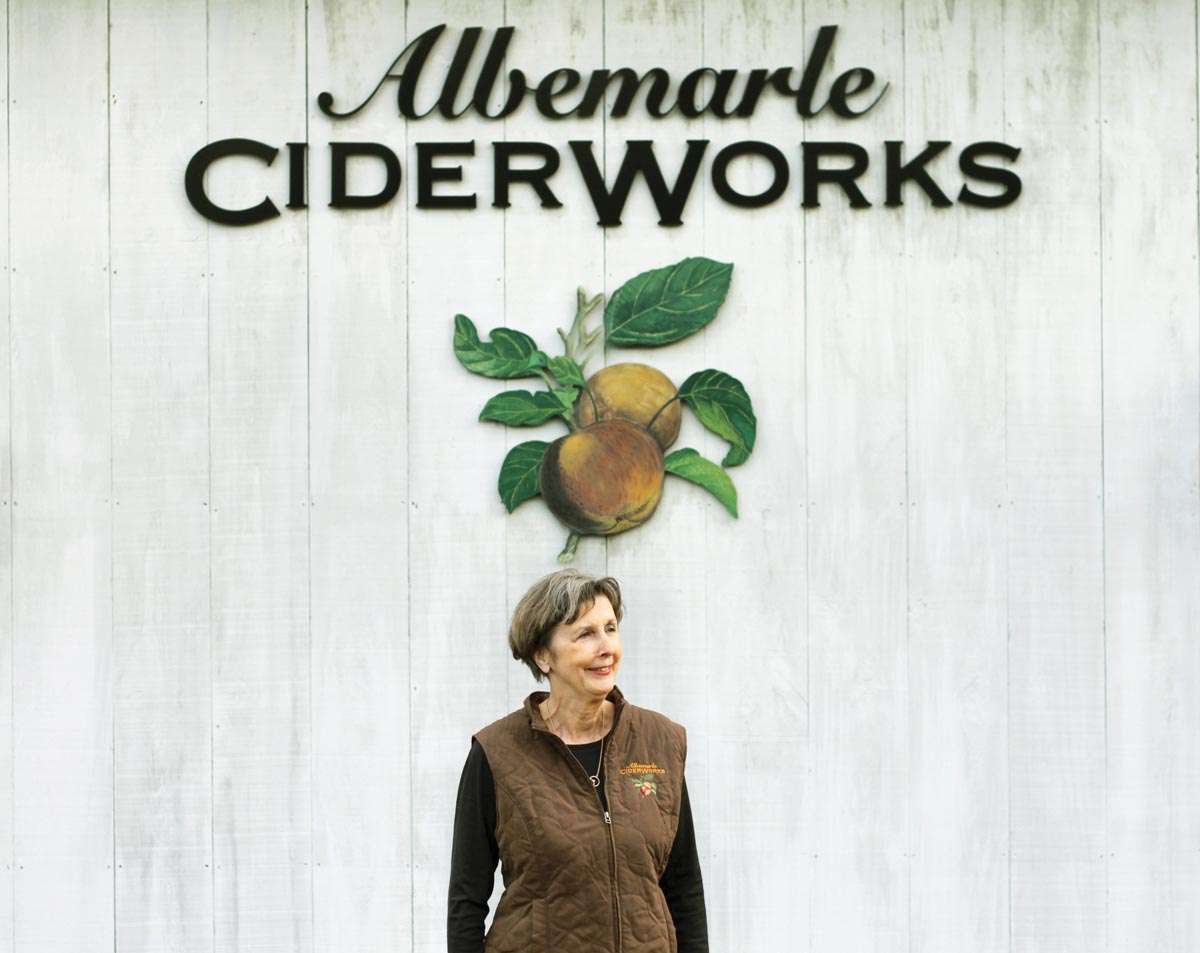 Charlotte Shelton is a historian who became interested in the long history of apples after her family bought the orchard in North Garden. Submitted photos.
Cider was important to the survival of early Americans. Johnny Appleseed — a real person — wasn’t traveling through frontier settlements just so some perfectly formed apples could adorn a 19th-century fruit bowl. His work helped establish orchards on the frontier, where apple trees could strengthen settlers’ claims to land and provide fruit for making cider. Fermented cider was an important beverage in households where drinking water could be unreliable.
Cider could also be distilled into applejack, a kind of brandy, used as a pain killer and a tonic for the sick, a heart stimulant, and a source of courage while facing a surgeon’s knife. Apple cider vinegar, produced through further fermentation, was used as a cleanser, a tonic and a preservative.
Those early farmers who stepped off the boat with seeds in their pocket couldn’t simply plant seeds and expect to grow Jonathans, Yorks, Pippins and Winesaps. The tremendous diversity of apple varieties was possible because apple trees don’t grow true to seed, Shelton said. Each seed could produce a tree with different characteristics. Settlers began to notice which trees made the sweetest apples or the best cider. By grafting desirable varieties onto rootstock, orchardists could reproduce trees that best filled the needs of their homesteads.
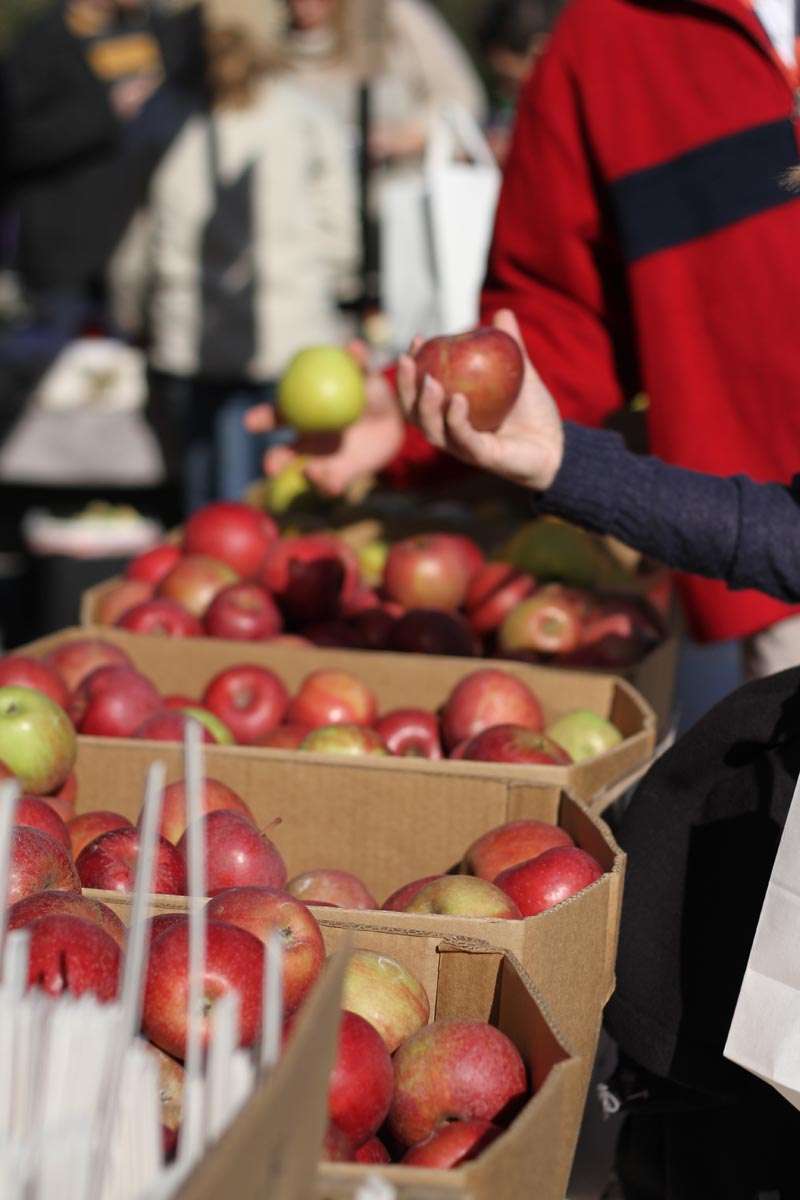 Dozens of heirloom varieties of apples have been harvested from the Albemarle CiderWorks orchards
“Apples are a significant part of our culinary and cultural heritage here,” Shelton said.
The importance of orchards in the Crozet area has been well documented, and apples are still a major agricultural crop, but cider had its ups and downs over the next 200 years or so.
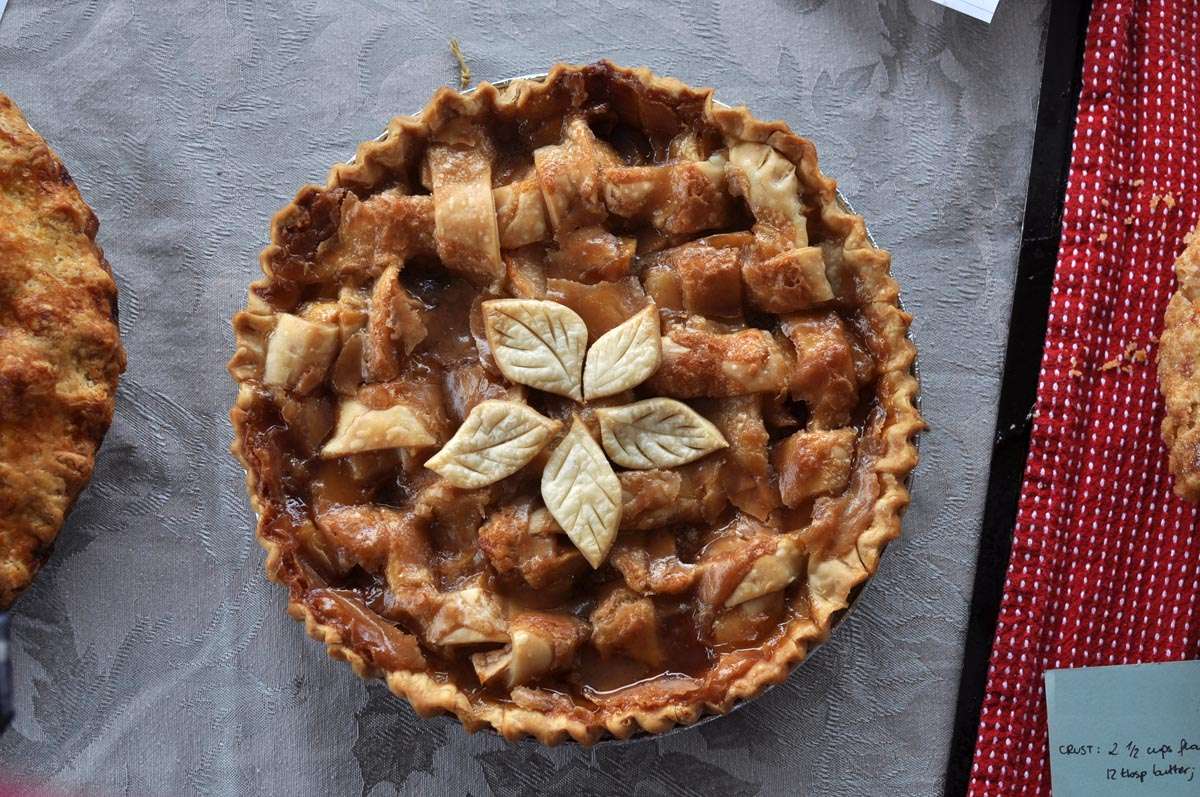 An apple pie contest is a showcase for the different textures and flavors a mix of apples can bring to dessert. submitted
“As the country urbanized, the consumption of cider declined,” Shelton said.
Although her family was committed to establishing an orchard, she credits Tom Burford, an orchardist and nurseryman, with their growing interest in heritage apple varieties. Burford, known as “Professor Apple,” came from a family that had farmed in Virginia since the early 1700s.
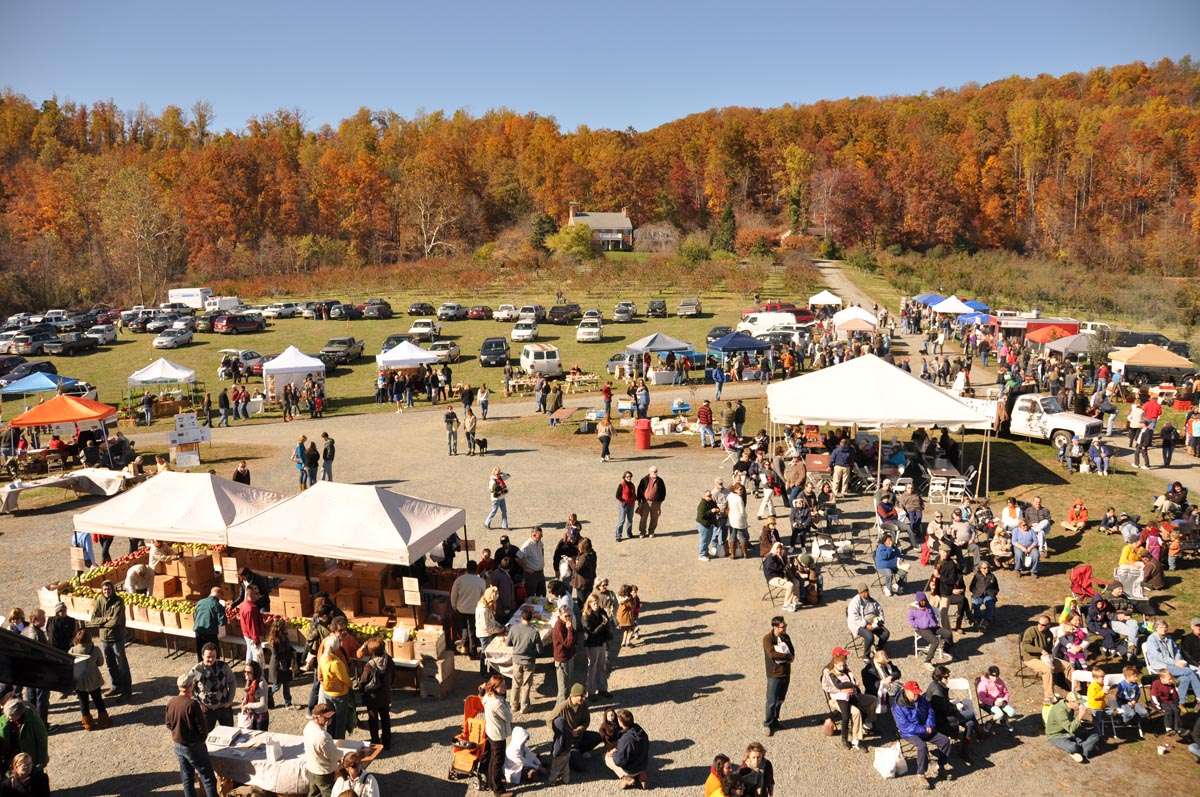 The Apple Harvest Festival celebrates our region’s long history with apples.jpeg. Submitted
Burford, who died in 2020, conducted heirloom apple tastings at Monticello. Shelton and her brother Chuck, the cider maker, became interested in his work in the 1990s and attended the tastings. After Burford’s death, Shelton conducted apple, cider and cheese pairings as part of Monticello’s fall events.
The Sheltons also followed Burford’s lead as promoters of useful heirloom and modern varieties, offering some varieties for sale and teaching classes in pruning and propagating at the orchard so others could see the wide variety of apples worth growing, eating and turning into cider. Bill Shelton oversees the nursery business.
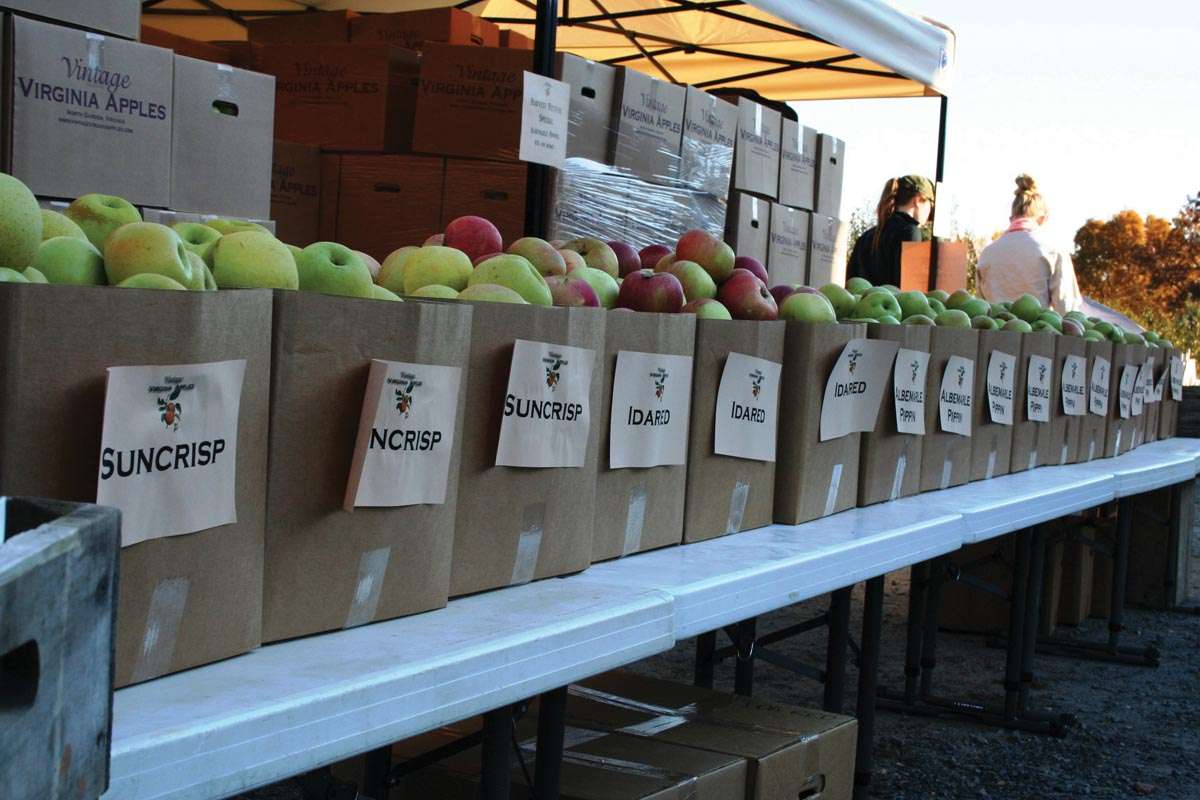 Those at the Apple Harvest Festival can have a taste of several types of apples before choosing which ones to take home
These days, the Sheltons and assorted in-laws and children, welcome the public to learn more and enjoy their grounds each November for an apple harvest festival.
Charlotte Shelton and local cheesemaker Gail Page-Hobbes of Caromont Farm will lead a cider and cheese tasting. Rachel Willis of Crozet’s Cakes by Rachel will demonstrate pie crust making, and Margaret Shelton, who runs Shelton Herb Farm, will offer a workshop on cool-season gardening.
It’s an event supported by the community and one that allows the Cove Garden Ruritans to raise funds for their many projects. They’ll be making Brunswick stew and apple butter and selling slices of the pies entered in the apple pie contest, along with other baked goods.
Meanwhile, those who’ve tasted a number of apples can buy varieties to take home. Fresh apple cider will be available, along with bottles of Albemarle CiderWorks’ hard cider in the tasting room throughout the day.
The 26th annual Apple Harvest Festival will be held Saturday, Nov. 7, from 10 a.m. to 5 p.m.
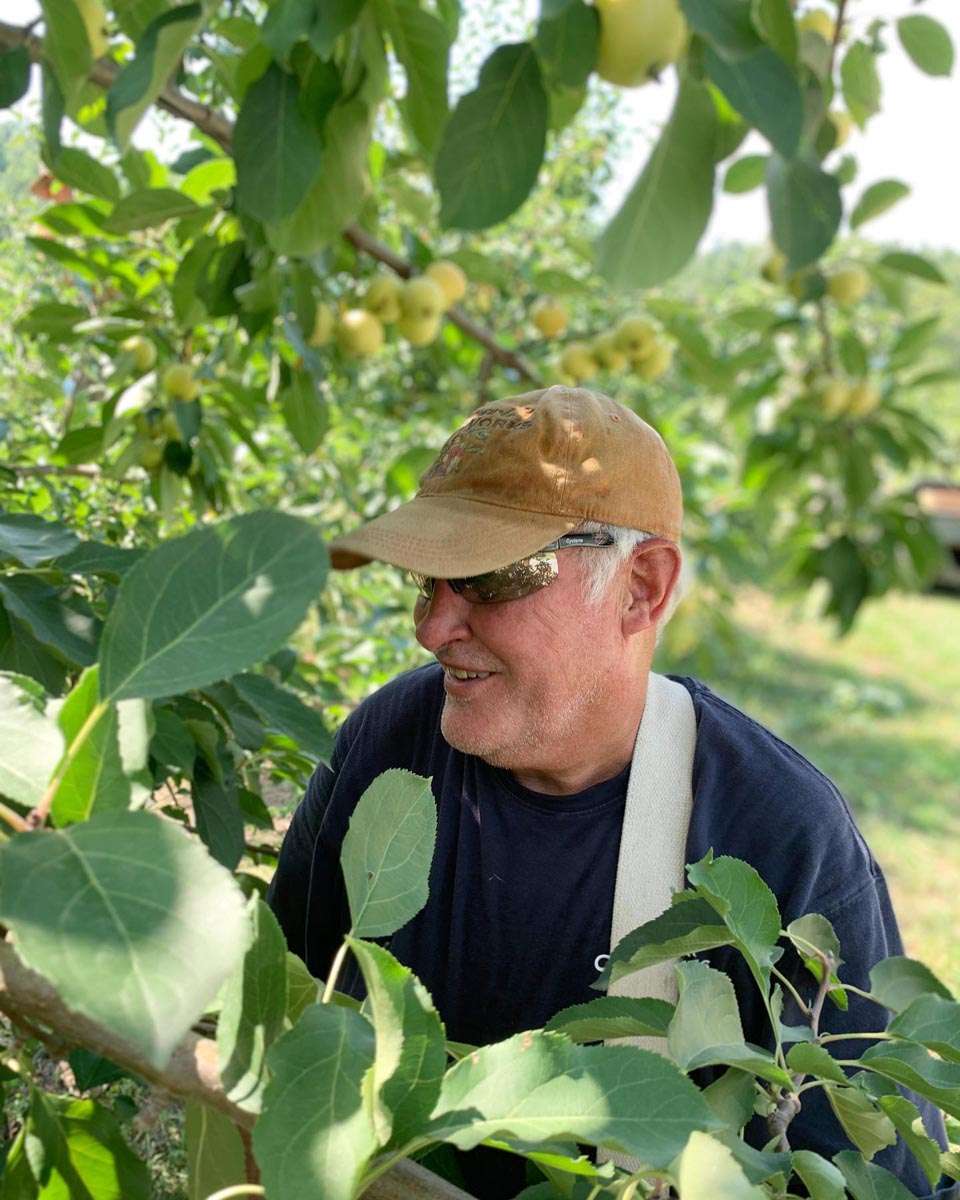 Chuck Shelton oversees the cider operation at Albemarle CiderWorks

